
Originally a small French manufacturer founded in the 1980s, Venturi underwent a radical transformation when it moved to Monaco in 2000 and became a pioneer and expert in the field of electric vehicles.
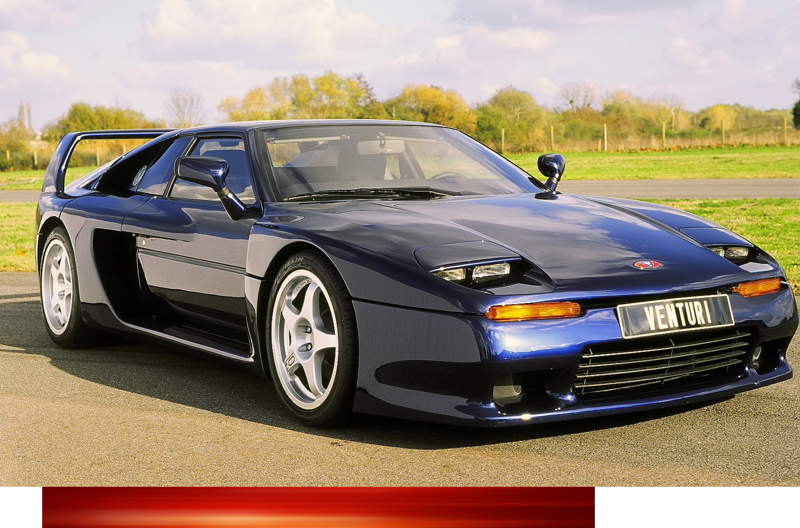
Venturi’s story began in 1984: founders Gérard Godfroy and Claude Poiraud decided to take on the challenge of presenting an ambitious GT at the Paris Motor Show. The company enjoyed a sustained period of success until 1995, with its race cars even competing in the 24 Hours of Le Mans. Venturi also secured its place in Formula 1 history, securing a commendable sixth-place finish in the Monaco Grand Prix in 1992. In 1999, the company was beset by financial difficulties and was placed in receivership.
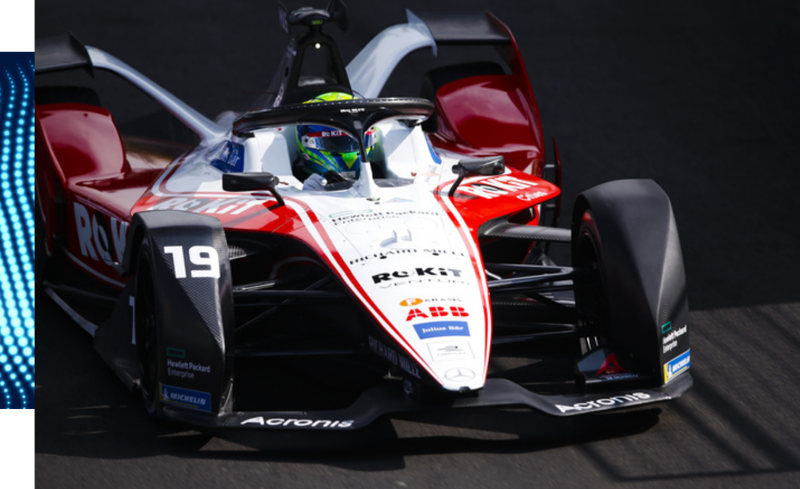
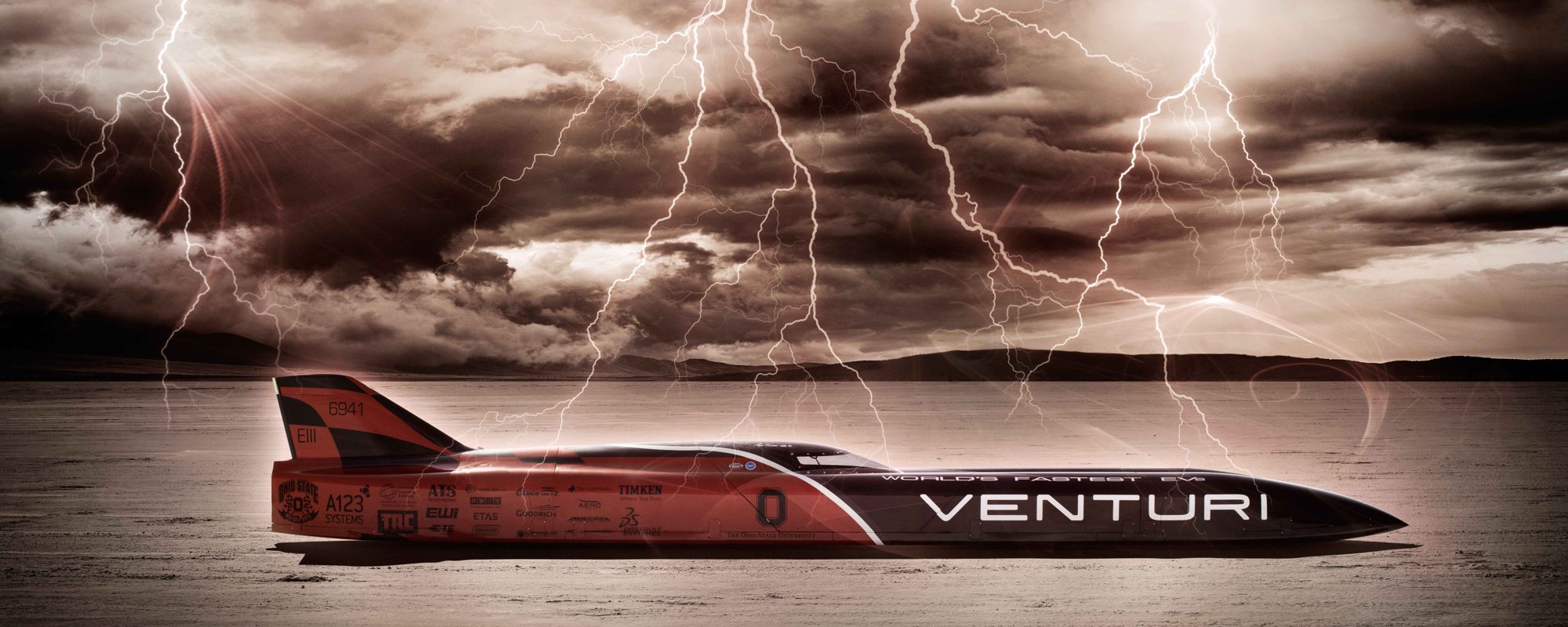
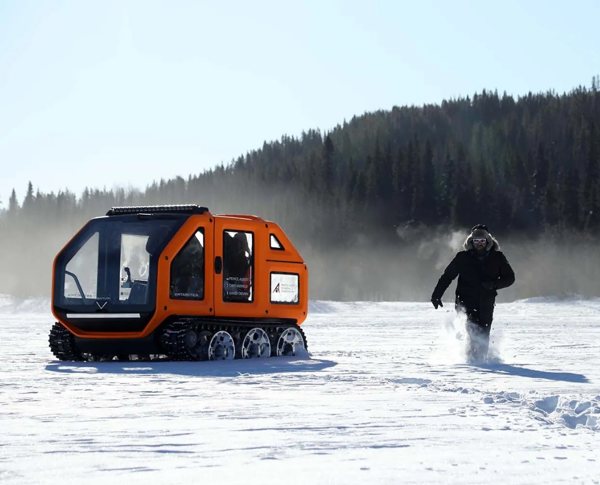
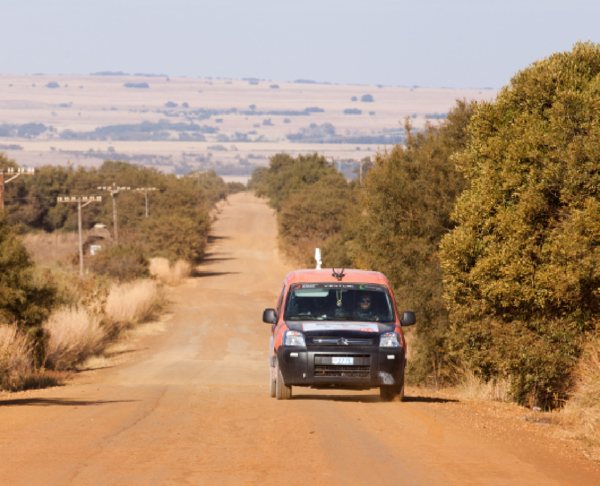
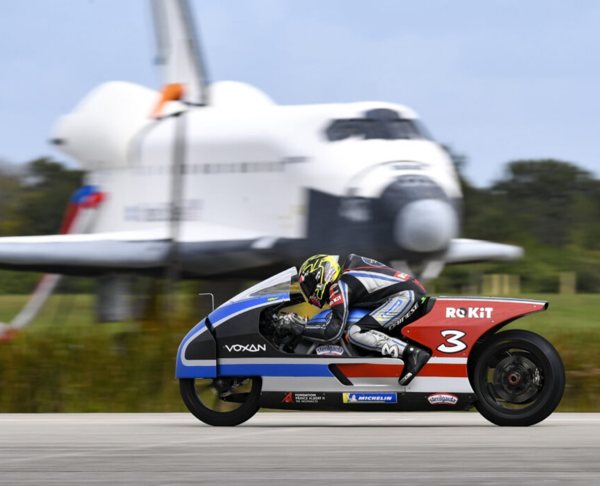
When Gildo Pastor purchased Venturi and moved its head office to Monaco in 2000, the entrepreneur took the strategic decision to focus on high-performance electric vehicles, ushering in two decades of innovation, adventures and world firsts. These included: record-breaking vehicles, concept cars, expeditions in hostile terrain, polar exploration vehicles, supplying motors to the French PSA Group and eight years competing in the World Formula E Championship (including four years as both a constructor and a team). The Venturi Group represents and demonstrates the full potential of electric vehicles, proven by the fact that it holds all of the world speed records in this category (and the “fuel cell” category) on either two or four wheels.
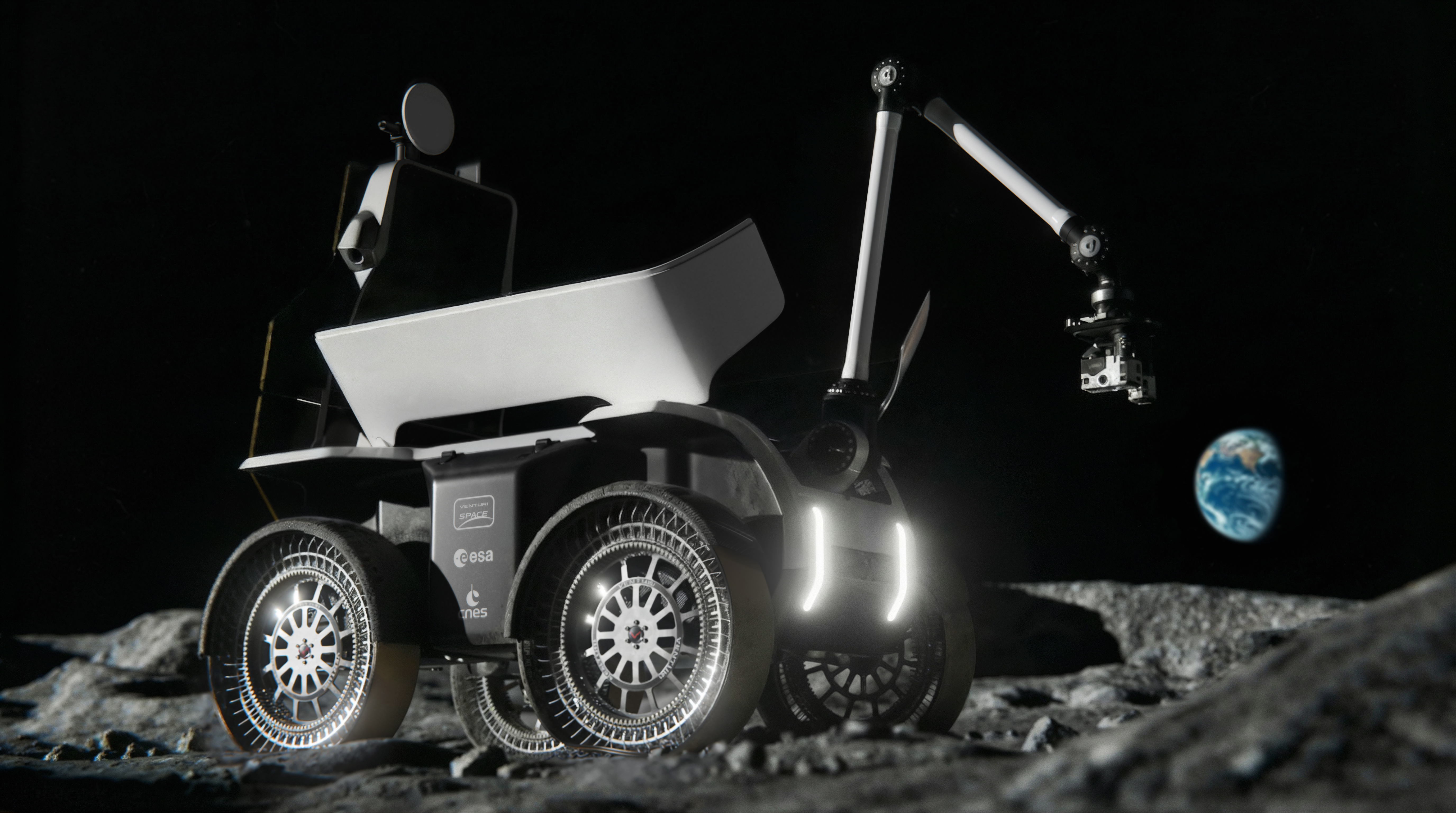
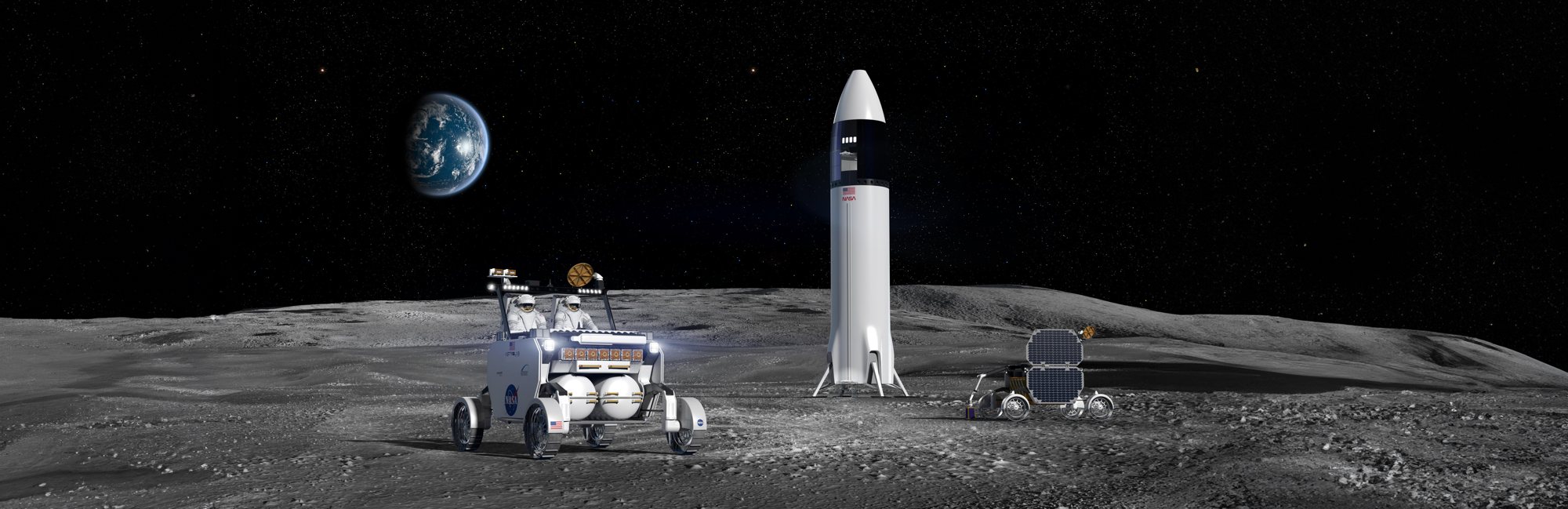
In 2020, at the behest of Gildo Pastor, Venturi extended his expertise to space exploration by developing mobility solutions for the Moon and Mars, with Venturi Space. As a strategic partner of the North American company Venturi Astrolab, the firm designs and manufactures critical technologies – hyper-deformable wheels and high-performance batteries – for the FLIP and FLEX lunar rovers. FLIP will be deployed on the Moon in Summer 2026. FLEX, meanwhile, has been pre-selected by NASA for crewed missions under the Artemis programme. In this context, Venturi Space (Monaco–Switzerland–France) unveiled MONA LUNA in June 2025 – a 100% European lunar rover developed to support the ambitions of ESA and CNES. proposals under its Artemis programme.
Destination Moon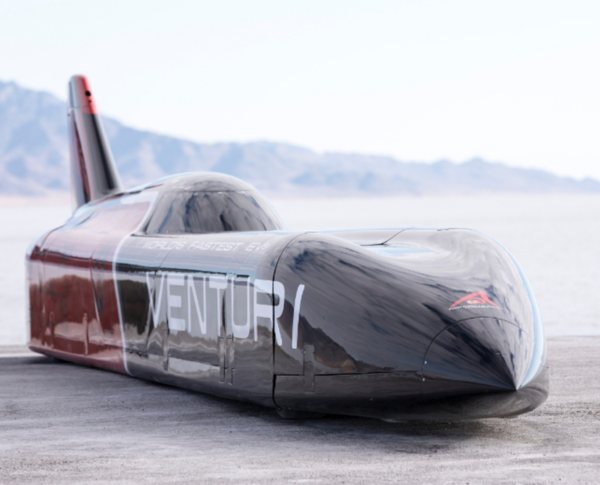 Mission 01
 Mission 02
 Mission 03
 Mission 04
 Mission 05
 Mission 06
 Mission 07